Metal Roofs
Metal Roofing in Boiling Springs, Spartanburg & Greenville
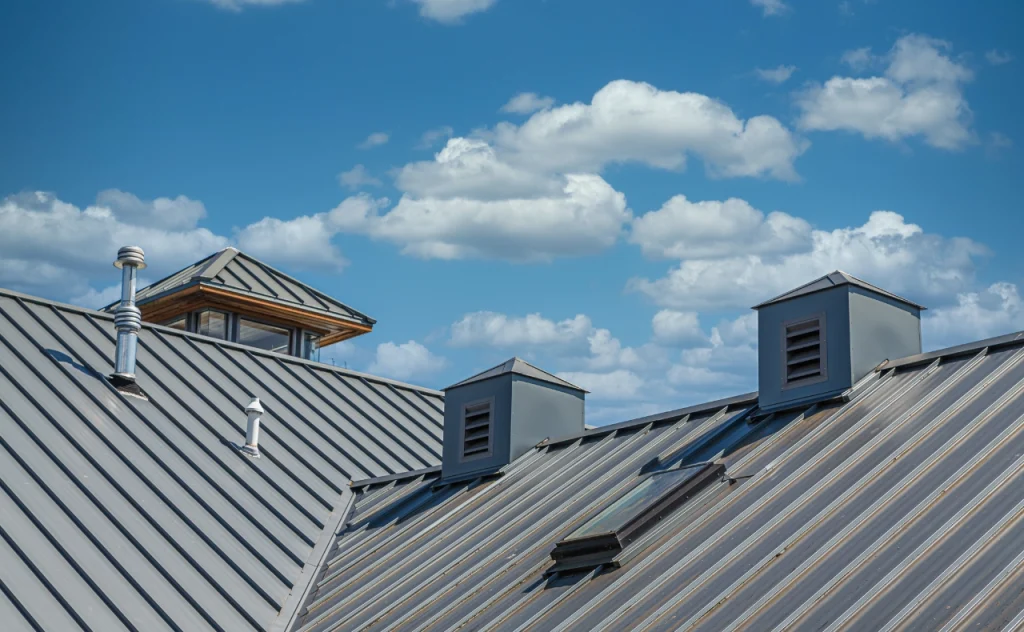
Is A Metal Roof Right For My House?
If you’re looking for a roof that you’ll likely never have to replace again, metal roofing deserves serious consideration. A properly installed metal roof can last 40 to 70 years—two to three times longer than a standard asphalt shingle system—while delivering superior performance against wind, fire, hail, and the relentless South Carolina heat.
At Edge Roofing, we install metal roofing systems for homeowners across the Upstate who want maximum longevity, energy efficiency, and low maintenance. It’s a premium investment, and it’s not the right fit for every project or every budget. But for the right home and the right homeowner, metal roofing is hard to beat.
Why Homeowners Choose Metal
While a quality asphalt shingle roof lasts 25 to 30 years, a metal roof can last 40 to 70 years or more depending on the specific material and installation quality. For homeowners who plan to stay in their home long-term—or who simply don’t want to deal with another roof replacement in their lifetime—that kind of lifespan changes the math entirely. You may pay more upfront, but you’re paying once instead of twice or three times.
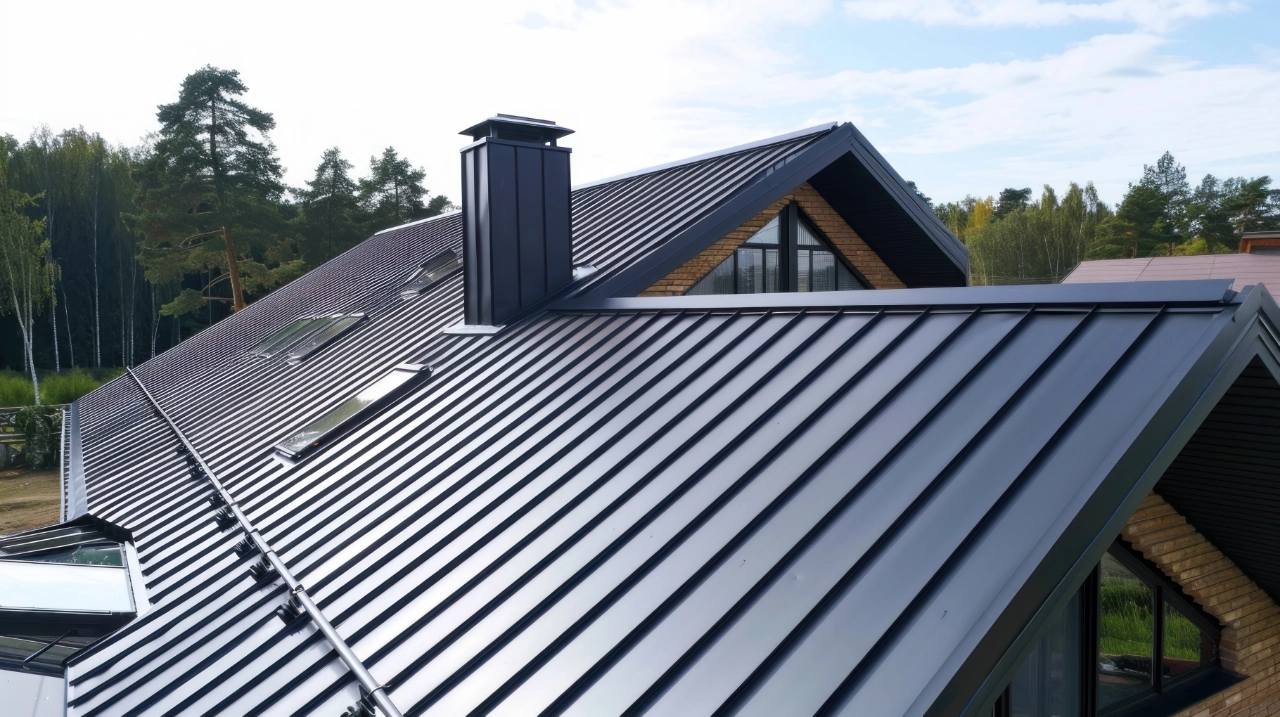
Metal roofing reflects solar radiation rather than absorbing it the way asphalt shingles do. In the Upstate, where summer temperatures regularly push into the 90s and humidity makes everything feel hotter, this reflective quality can meaningfully reduce your cooling costs. Many metal roofing products carry Energy Star ratings, and homeowners who switch from asphalt to metal consistently report noticeable drops in their summer energy bills.
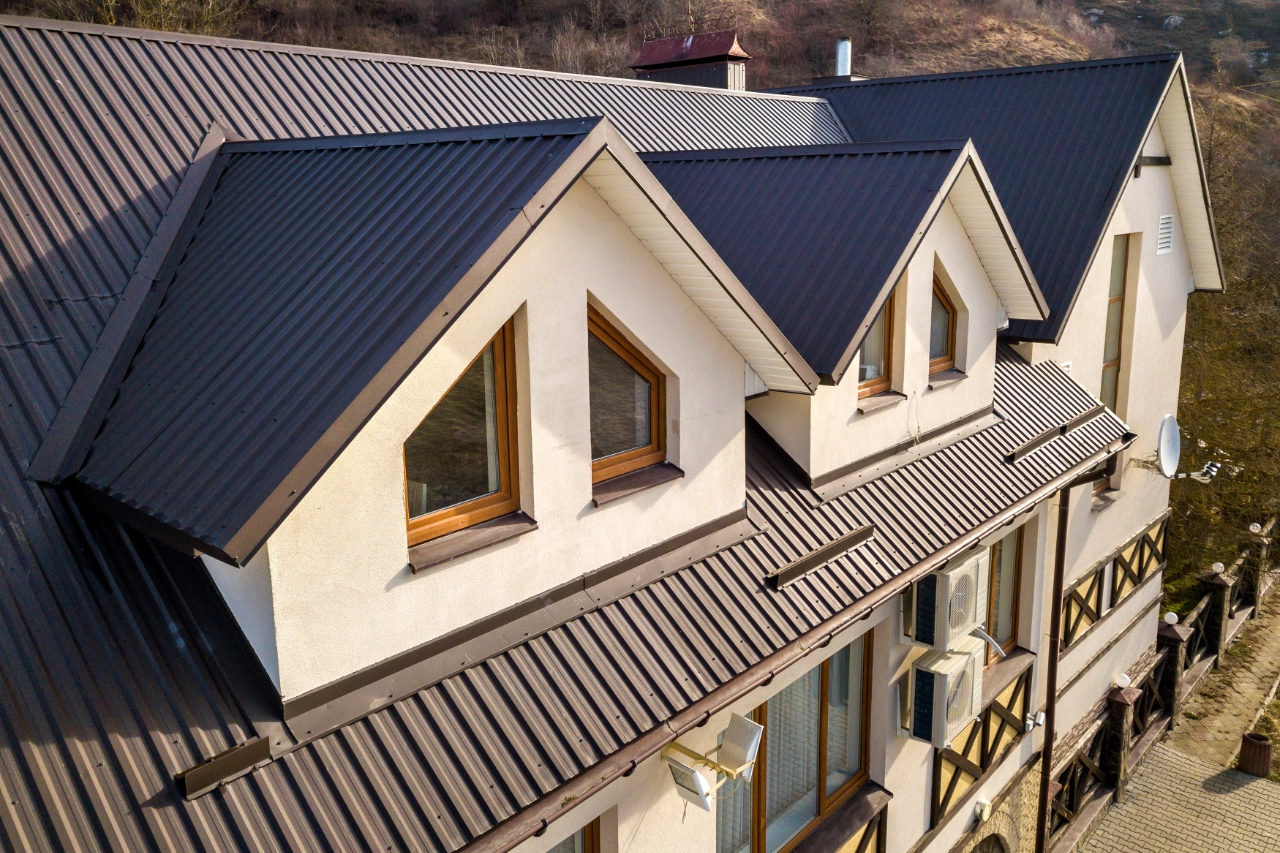
Metal roofing systems are engineered to withstand high winds—often rated for 140 mph or more. In a region that sees its share of severe thunderstorms, occasional tornado warnings, and tropical weather remnants pushing up from the coast, that kind of wind resistance provides real peace of mind. Metal is also highly resistant to hail damage at impact levels that would dent, crack, or displace asphalt shingles.
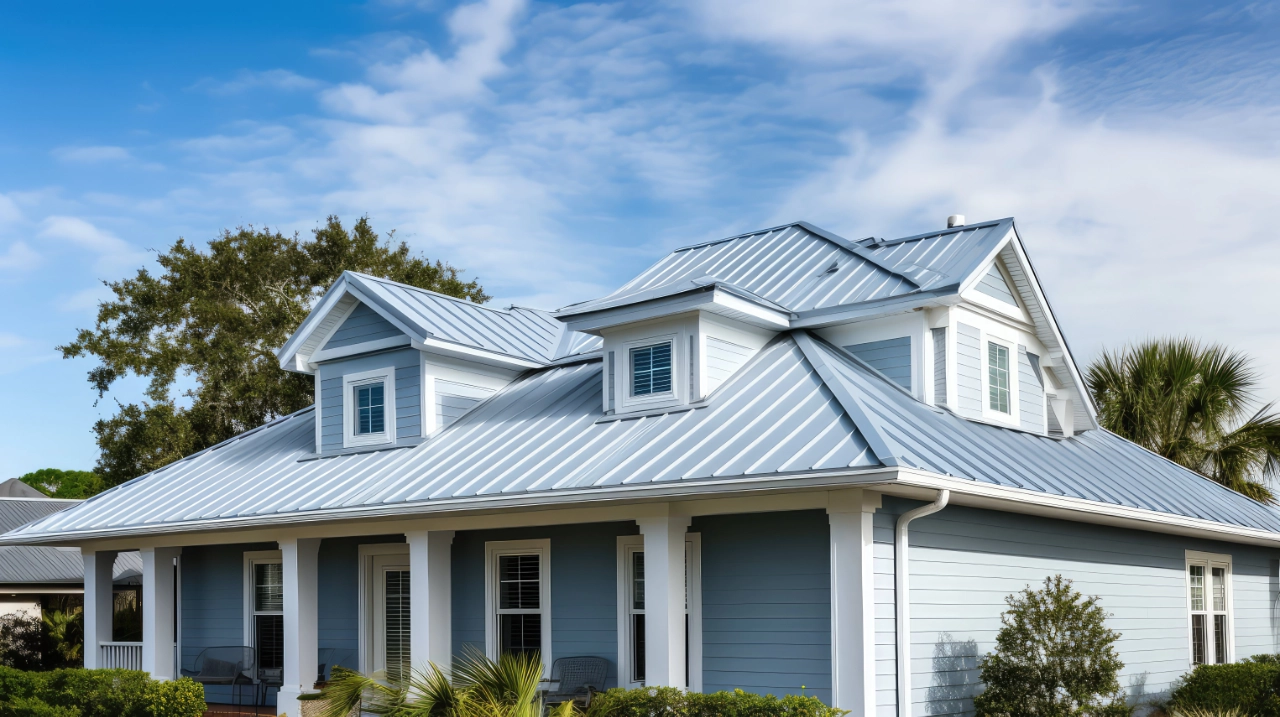
Metal roofing is non-combustible, earning the highest Class A fire rating available. For homeowners in areas with nearby wooded land, those who use wood-burning fireplaces or fire pits, or anyone who simply wants the highest level of fire protection available for their home, metal’s fire resistance is a meaningful advantage.
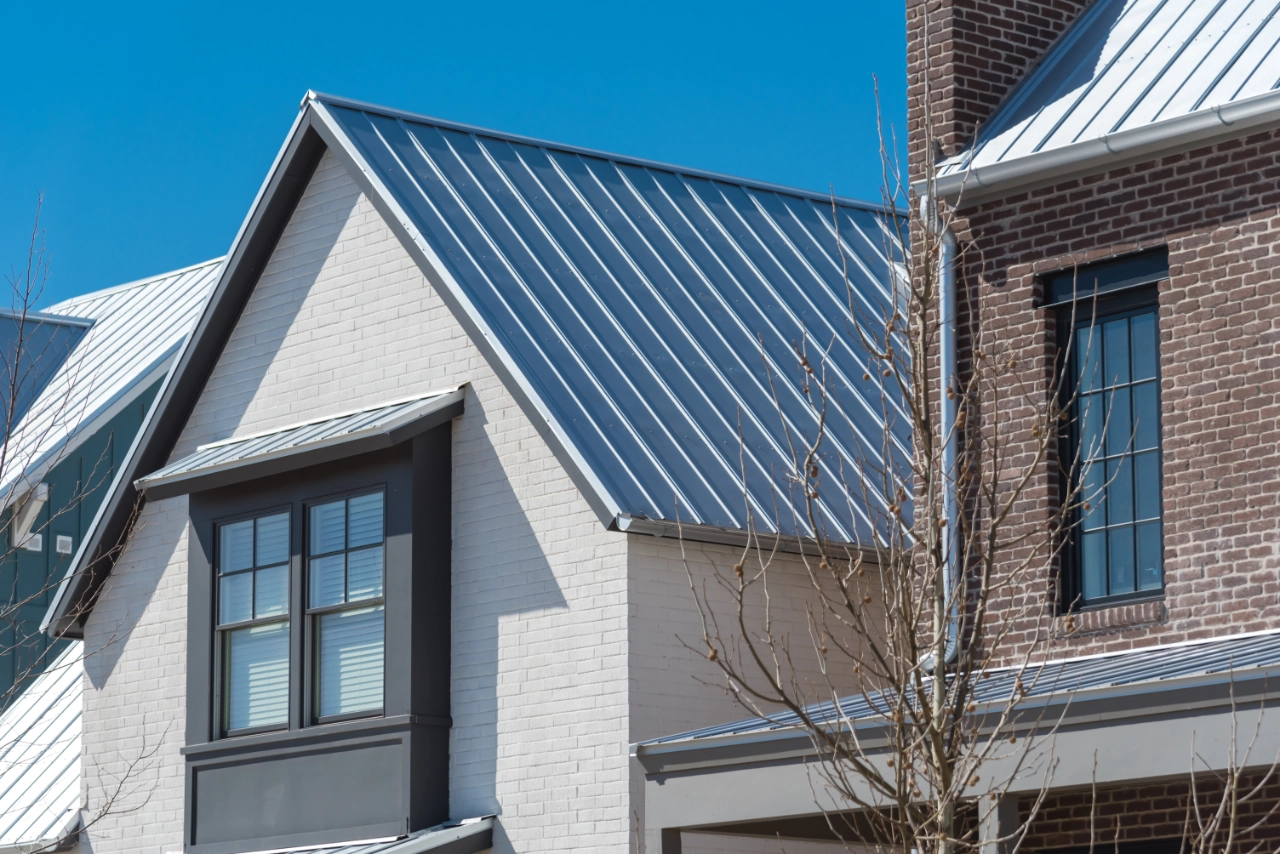
Metal roofs require very little maintenance over their lifespan compared to asphalt shingles. There are no granules to lose, no algae streaks to worry about, and no individual shingles to blow off in a storm. Periodic inspections to check fasteners, sealants, and any debris accumulation are typically all that’s needed to keep a metal roof performing at its peak for decades.
Metal vs. Asphalt: An Honest Comparison
We install both metal and asphalt roofing, and we genuinely don’t have a preference for one over the other. The right material depends entirely on your home, your budget, and your priorities. Here’s how they stack up:
Upfront cost: Metal roofing typically costs two to three times more to install than asphalt shingles, depending on the specific product and roof complexity. However, because metal lasts two to three times longer, the cost per year of service is often comparable—or even lower—when you factor in the replacement cycle.
Lifespan: Asphalt shingles last 25 to 30 years with proper installation. Metal roofing lasts 40 to 70 years. If you’re in your forever home and don’t want to think about your roof again, metal is likely the last roof you’ll ever need.
Energy savings: Metal’s reflective properties can noticeably reduce cooling costs, and the savings compound over decades of South Carolina summers. Asphalt absorbs more heat, which means your air conditioning works harder during the hottest months.
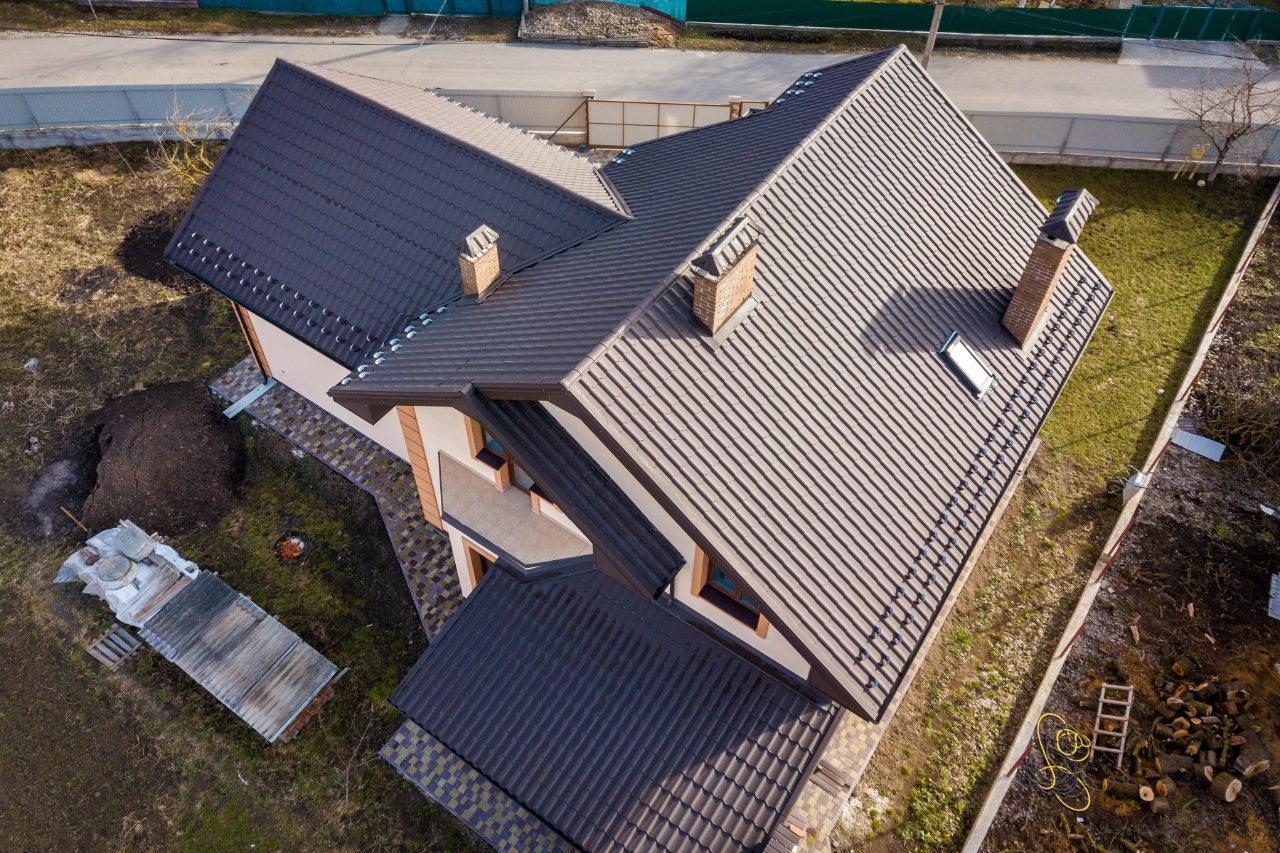
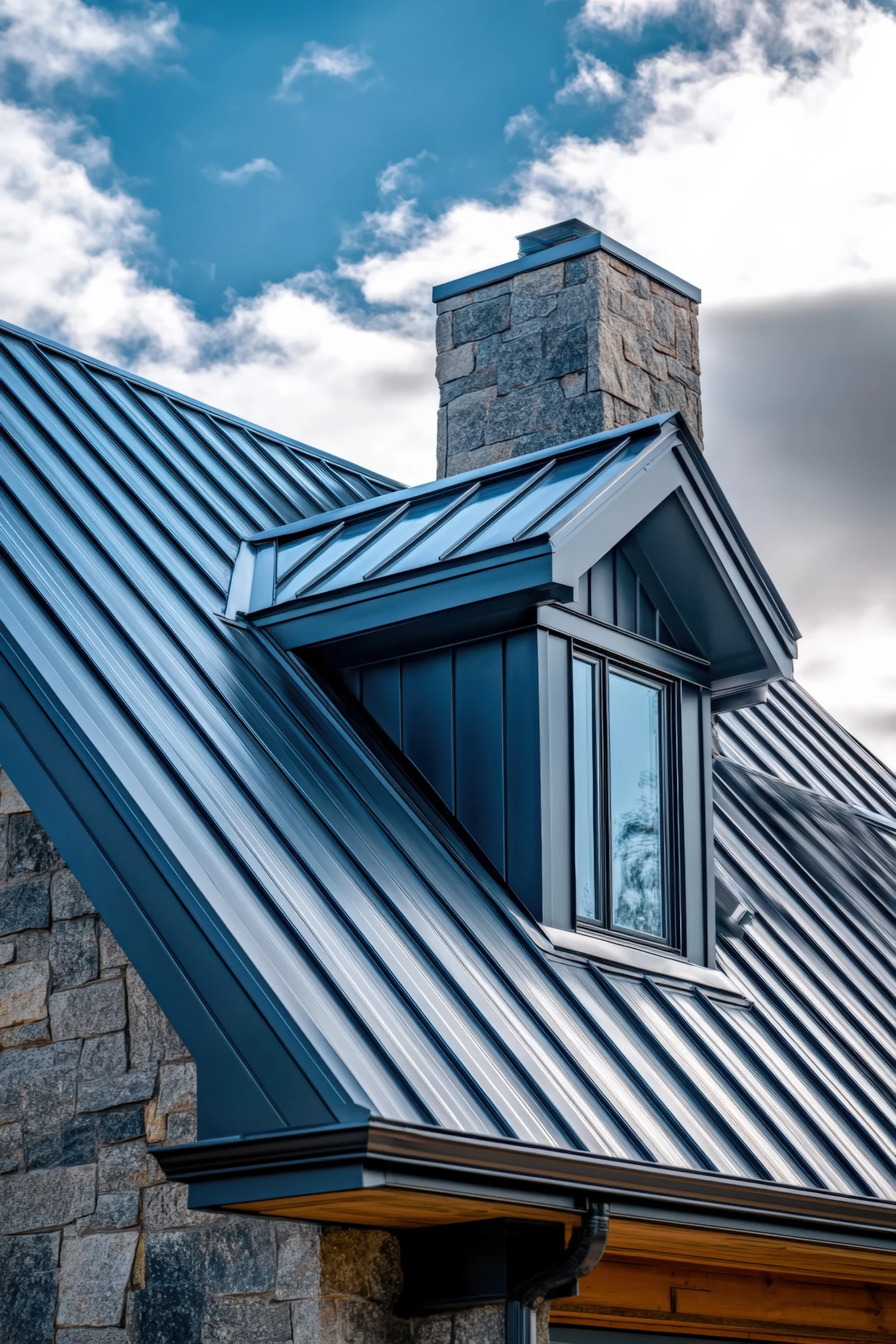
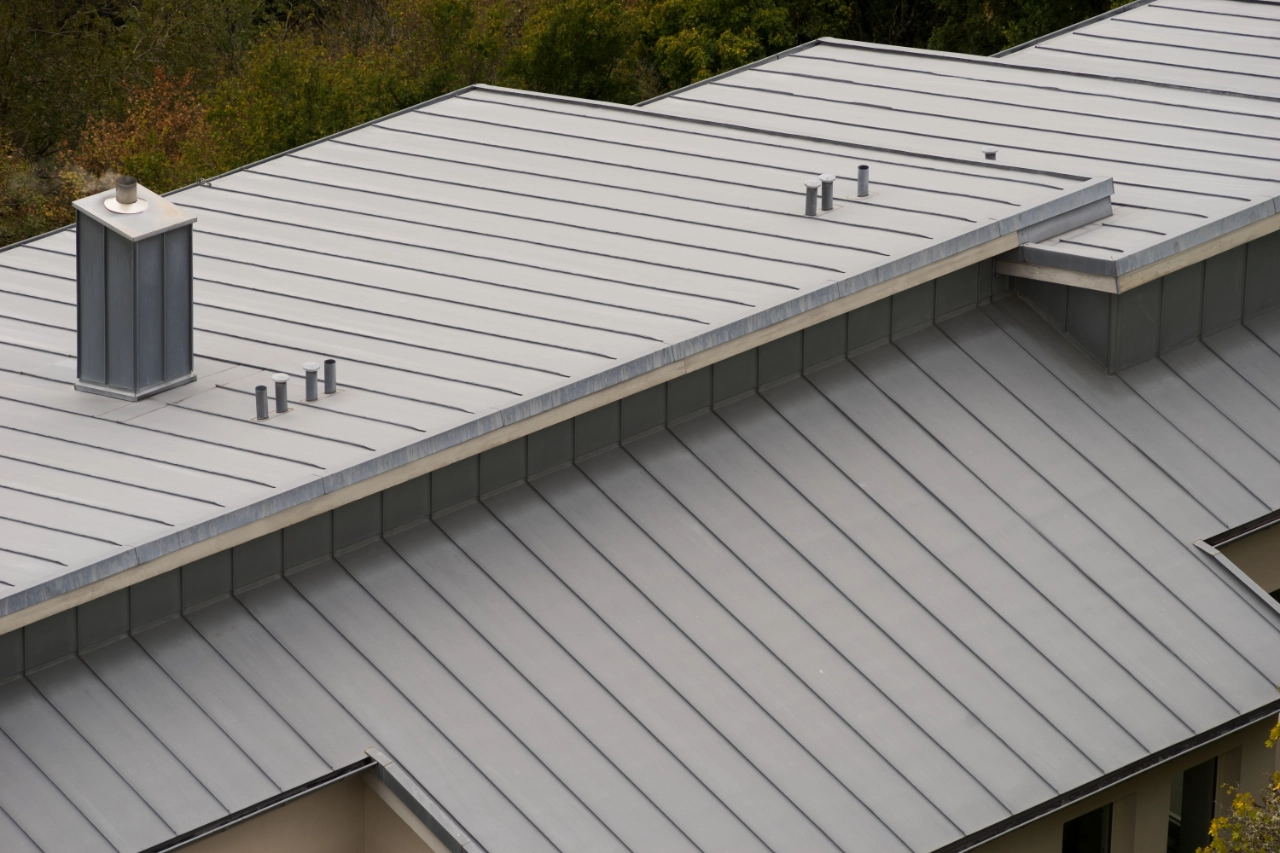
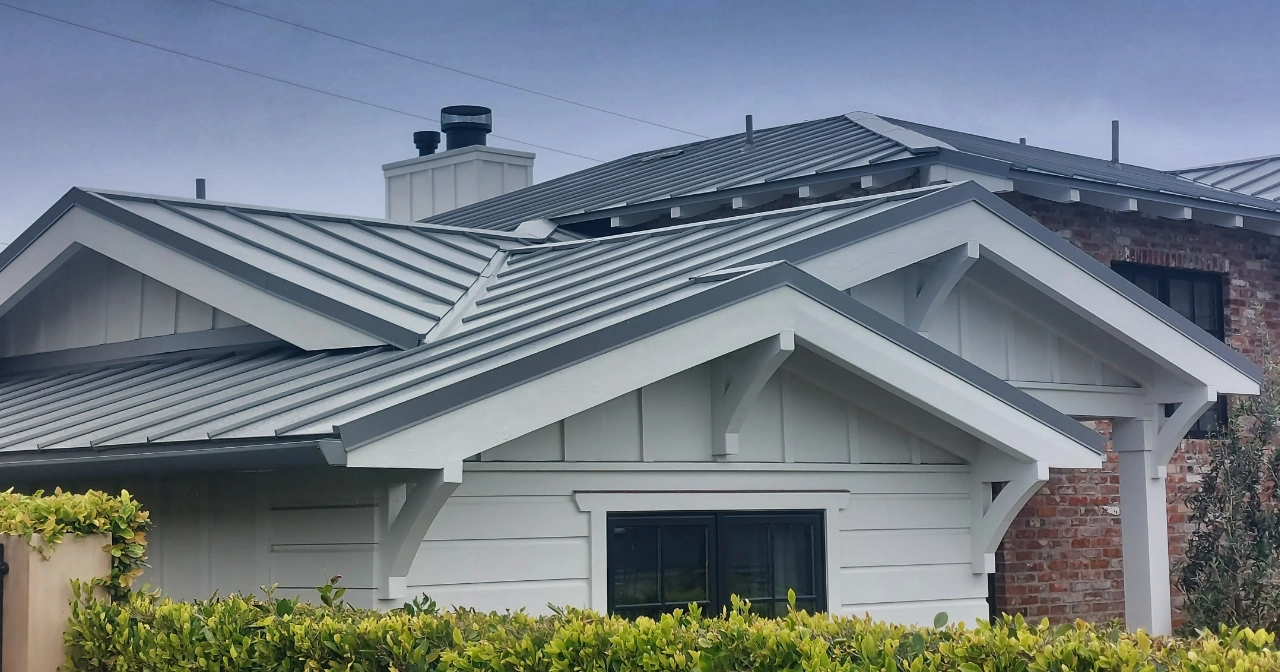
Aesthetics: Both materials offer a wide range of styles and colors. Metal roofing has evolved far beyond the corrugated barn look—today’s standing seam panels, metal shingle profiles, and stone-coated options deliver clean, modern aesthetics that complement everything from traditional craftsman homes to contemporary builds.
Resale value: Metal roofing can increase a home’s resale value, both because of its exceptional longevity and because it signals to prospective buyers that a major expense—roof replacement—has been taken care of for decades to come.
We’re happy to walk you through this comparison in detail, with specifics based on your home, your roof’s layout, and your situation. Our goal is to help you make the decision that’s right for you—not to steer you toward the higher-priced option.
Installation Matters More Than You Think
Metal roofing is less forgiving of installation errors than asphalt shingles. Panels that aren’t properly fastened can rattle in the wind, loosen over time, or allow water intrusion at the seams. Flashing details around walls, chimneys, and penetrations are even more critical on metal roofs because water moves faster across the smooth, uninterrupted surface—meaning any gap or poorly sealed joint will channel water into your home more quickly than it would on a textured shingle roof.
Thermal expansion and contraction also play a larger role with metal. As temperatures swing from summer highs to winter lows, metal panels expand and contract. The fastening system must account for this movement, or the panels will warp, buckle, or create gaps. Our crew is experienced with metal installation and follows manufacturer specifications on every project, with careful attention to the fastening, flashing, and transition details that determine whether a metal roof delivers on its promise of decades of trouble-free performance.
Frequently Asked Questions
How long does a metal roof last?
A properly installed metal roof can last 40 to 70 years, depending on the specific material and quality of installation. That’s two to three times longer than a standard asphalt shingle roof, which is why many homeowners view metal as the last roof they’ll ever need.
Is a metal roof noisy when it rains?
Not with proper installation. When metal roofing is installed over solid decking with appropriate underlayment, rain noise is comparable to any other roofing material. The common perception of loud metal roofs comes from agricultural buildings where metal is attached directly to open rafters without decking or insulation.
Does a metal roof cost more than asphalt shingles?
Yes—metal roofing typically costs two to three times more upfront than asphalt shingles. However, because it lasts two to three times longer, the cost per year of service is often comparable or lower. For homeowners planning to stay in their home long-term, metal frequently makes better financial sense over the full lifespan.
Will a metal roof make my house hotter in the summer?
The opposite, actually. Metal roofing reflects solar radiation rather than absorbing it, which can meaningfully reduce your cooling costs during South Carolina summers. Many metal roofing products carry Energy Star ratings for their energy efficiency.
Can a metal roof be installed over existing shingles?
In some cases it’s technically possible, but we generally recommend removing the existing shingles first. A tear-off allows us to inspect and repair the decking, ensure proper underlayment installation, and deliver the best possible long-term performance from your new metal roof.
Does metal roofing attract lightning?
No. Metal roofing does not increase the likelihood of a lightning strike. In fact, because metal is non-combustible, a metal roof is actually safer than many other roofing materials in the unlikely event that lightning does strike your home.
Interested in Metal Roofing?
Give us a call or schedule a free inspection online. No pressure, no obligation—just honest answers from a local team that does the job right.
- Call (864) 572-8494
- Schedule a Free Inspection
- Email: [email protected]