Roof Installation
Roof Installation in Boiling Springs, Spartanburg & Greenville
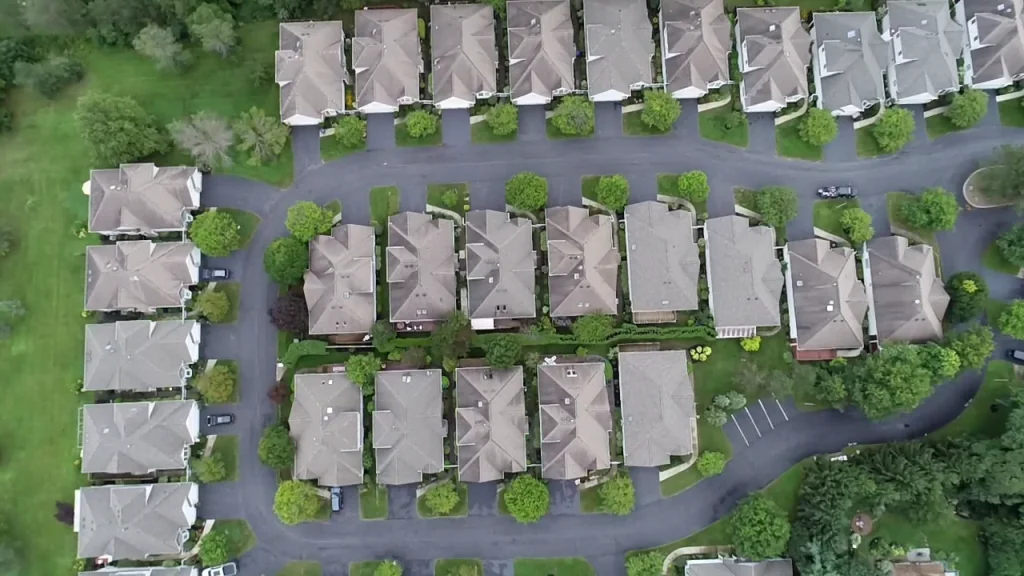
Roof Installation Expert
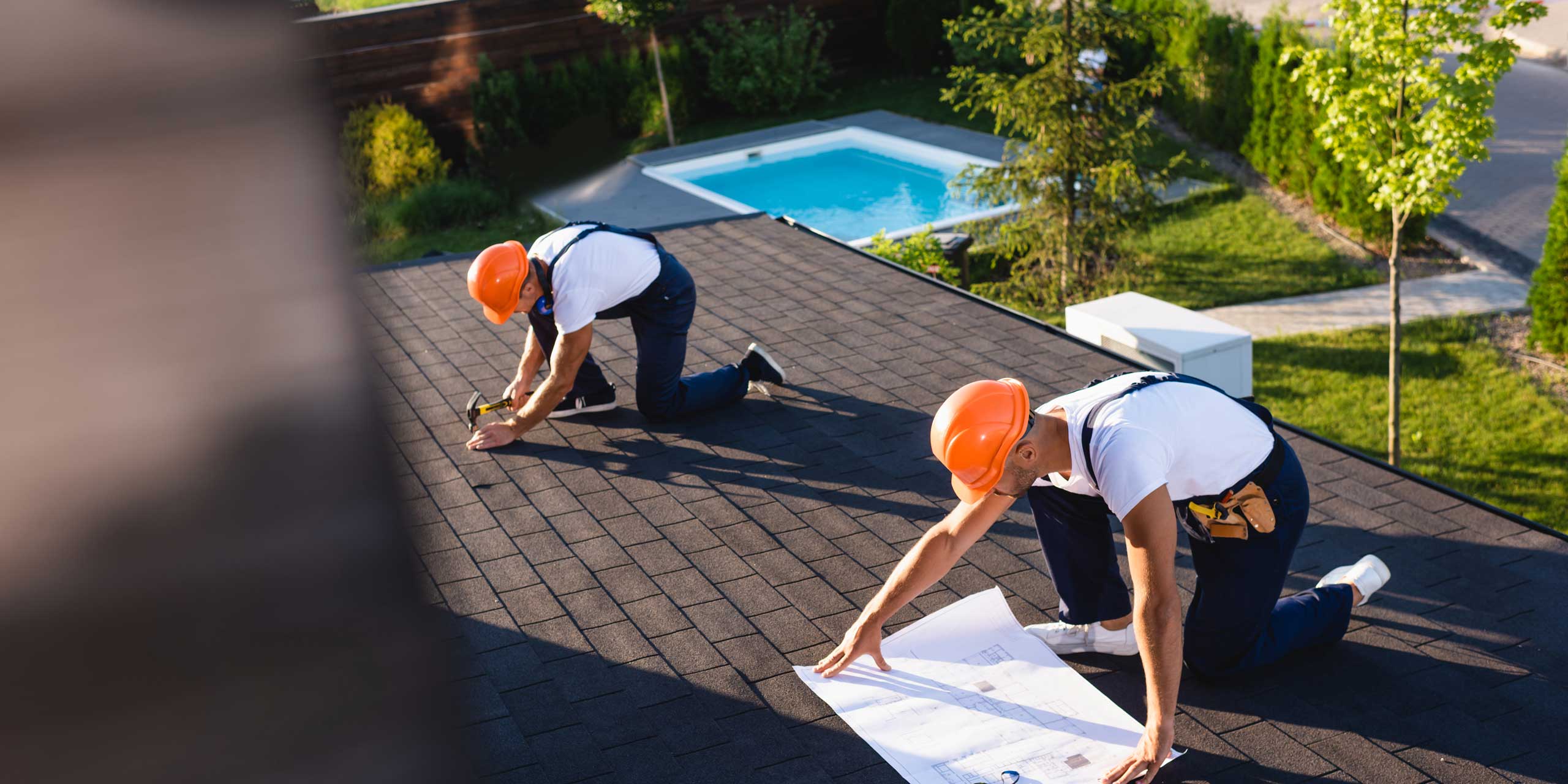
Whether you’re building a new home, adding a room, constructing a detached garage, or putting up a workshop, the roof that goes on top is one of the most critical components of the entire project. A properly installed roof doesn’t just keep the rain out—it manages moisture, regulates attic temperature, protects the structural integrity of everything underneath, and sets the tone for how the entire building performs for decades to come.
At Edge Roofing, we install new roofing systems for homeowners and builders across the Upstate. We work with trusted materials from Owens Corning and Atlas, follow manufacturer installation specifications to the letter, and focus on the details that determine whether a roof performs reliably or starts showing problems within a few years.
Why Installation Quality Matters
It’s easy to assume that all new roof installations are created equal. The materials are new, the decking is fresh—what could go wrong? Unfortunately, quite a bit.
A new roof installed with poor ventilation will trap heat and moisture in the attic, shortening the life of the shingles from underneath and creating conditions for mold, wood rot, and in some cases ice damming during cold snaps. Flashing that’s not properly integrated around walls, dormers, and penetrations will allow water intrusion that may not show up for months or even years—long after the crew has left and the final payment has cleared. Underlayment that’s improperly lapped or missing in critical areas leaves the deck exposed to wind-driven rain during every storm.
These aren’t hypothetical scenarios. They’re problems we’ve seen firsthand on roofs that were installed by other contractors just a few years earlier. Homeowners call us to fix leaks on roofs that should still be under warranty—only to discover that the installation itself voided the warranty because it didn’t follow manufacturer specifications. That’s exactly the kind of problem we prevent by doing the job correctly from the start.
What Goes into a Proper Installation
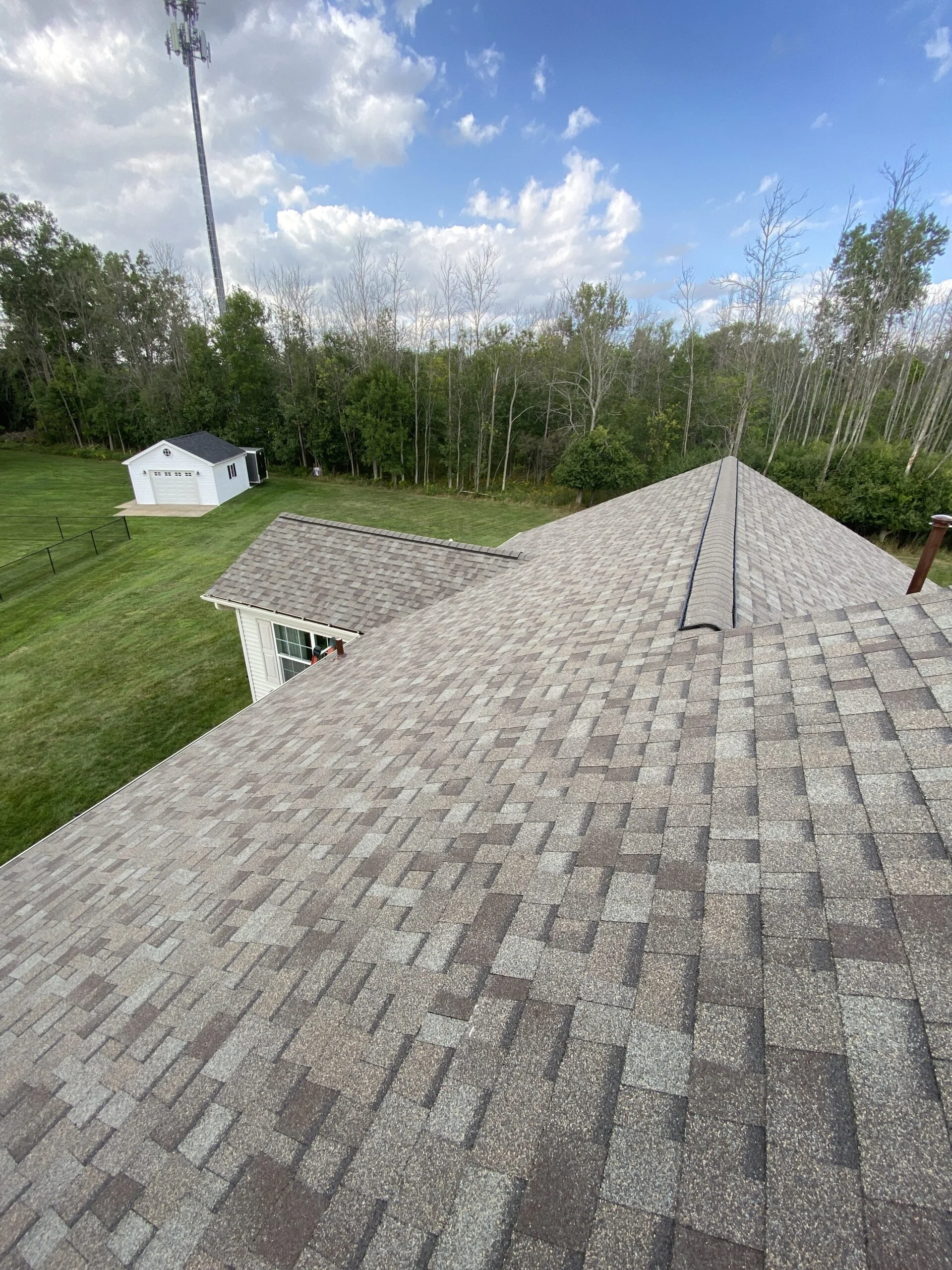
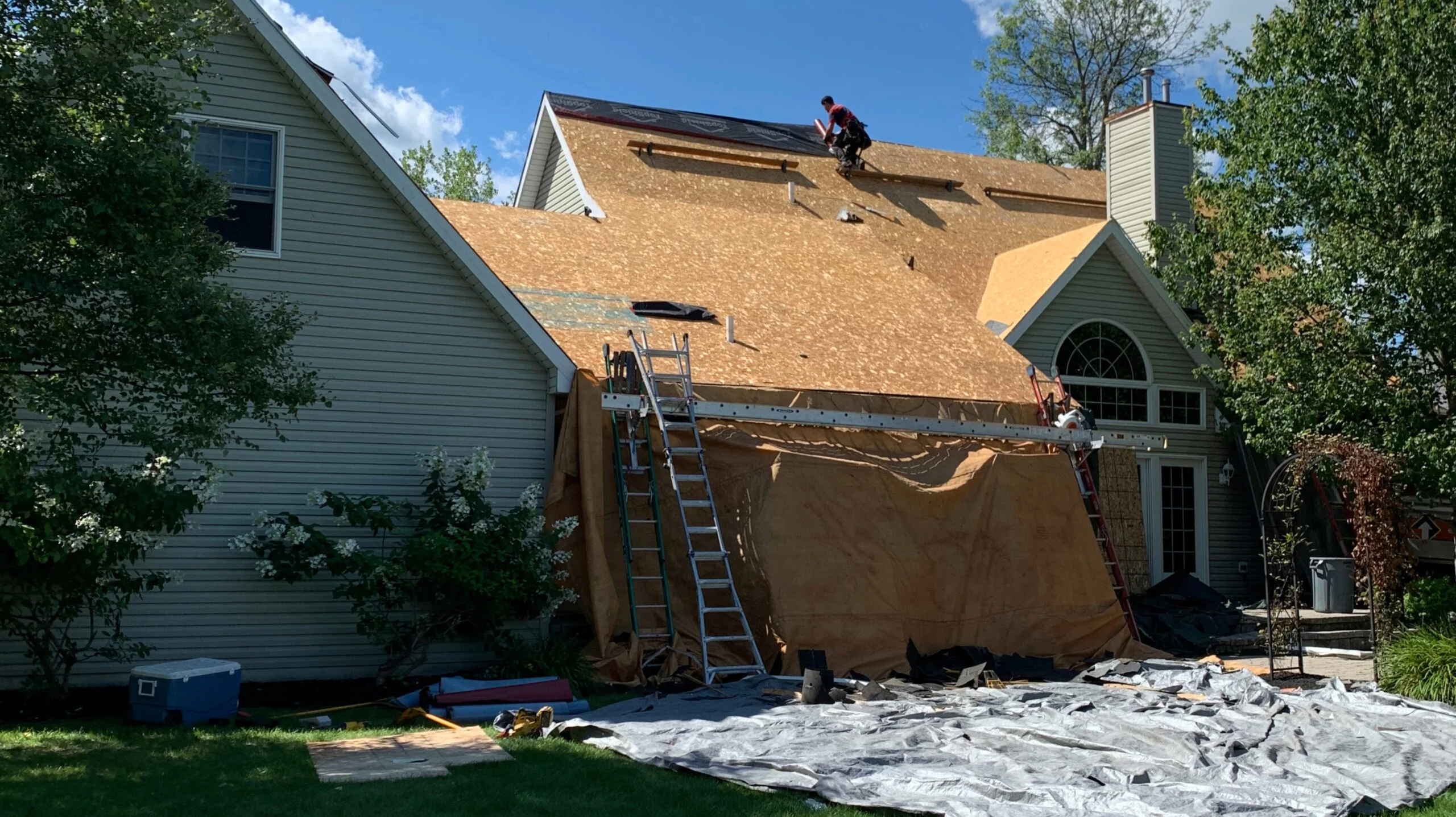
Every new roof installation starts with the deck. Whether it’s new plywood on a new build or existing sheathing on an addition, the deck needs to be solid, level, and properly fastened before any roofing material goes down. We inspect every section for soft spots, gaps, warping, and fastener issues. Any problems get addressed first, because building a roofing system on a compromised deck is like building on a cracked foundation—it doesn’t matter how good the materials are if the base isn’t right.
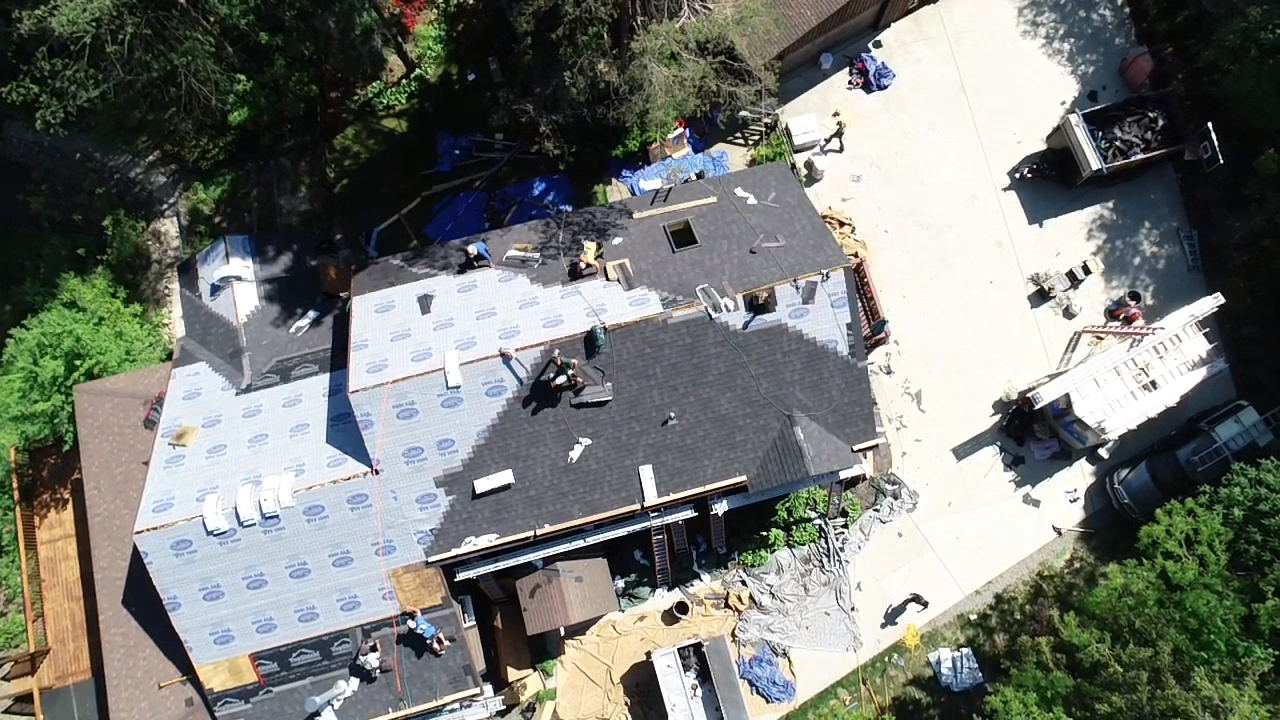
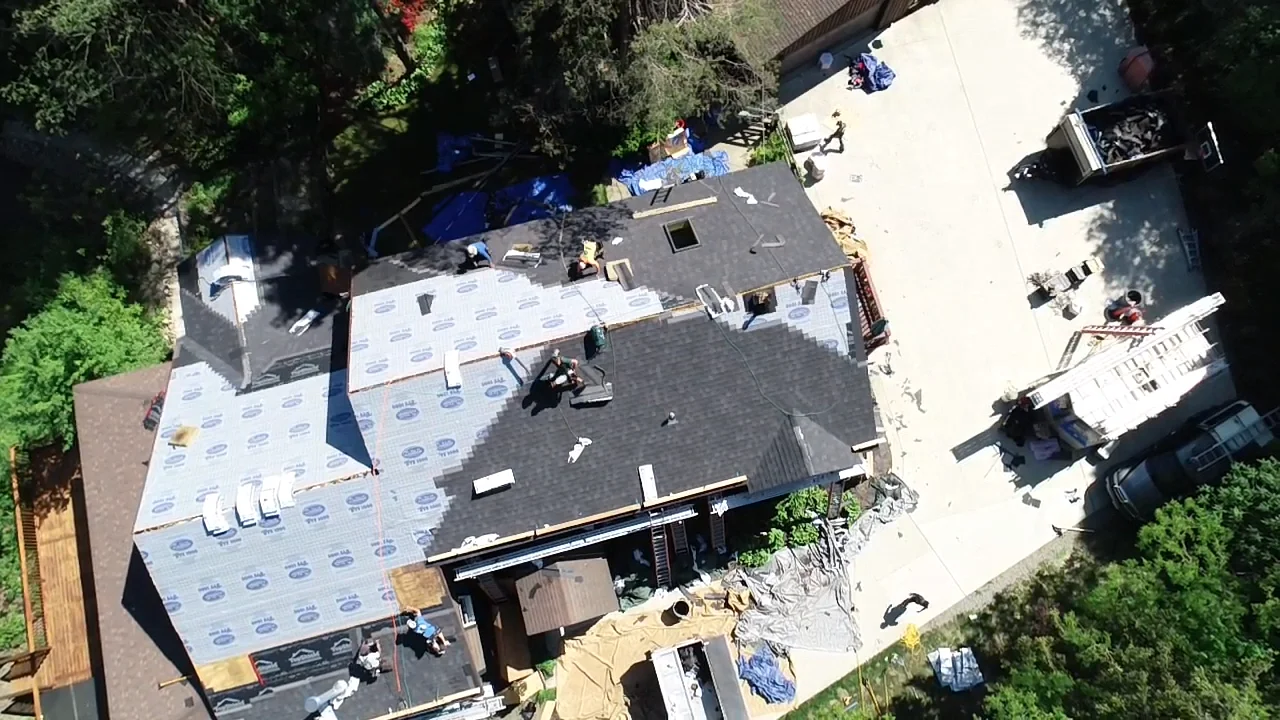
We install synthetic underlayment across the entire roof deck as a secondary moisture barrier. In valleys, along eaves, and around penetrations—the areas most vulnerable to ice dams and wind-driven rain—we apply ice and water shield for an additional layer of protection. This is especially important in the Upstate, where sudden temperature swings can drop below freezing in winter and heavy thunderstorms can drive rain sideways in summer. The underlayment is your roof’s backup plan, and we never skip it.
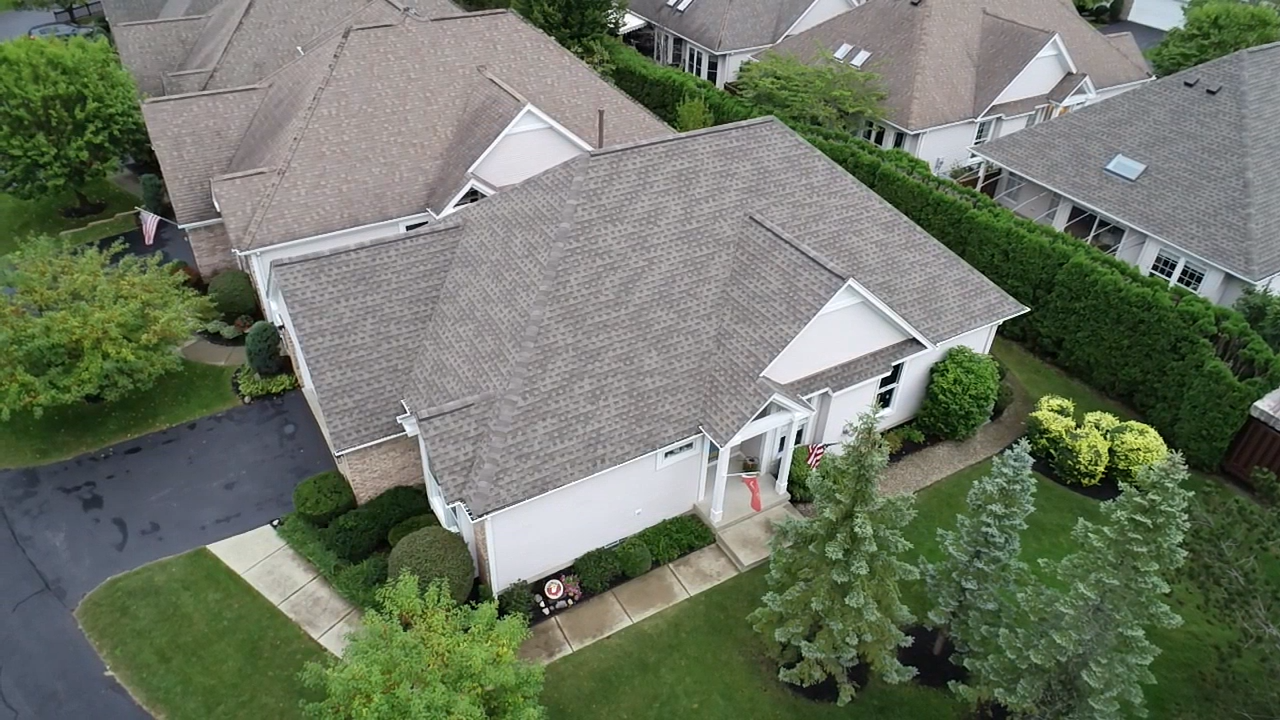
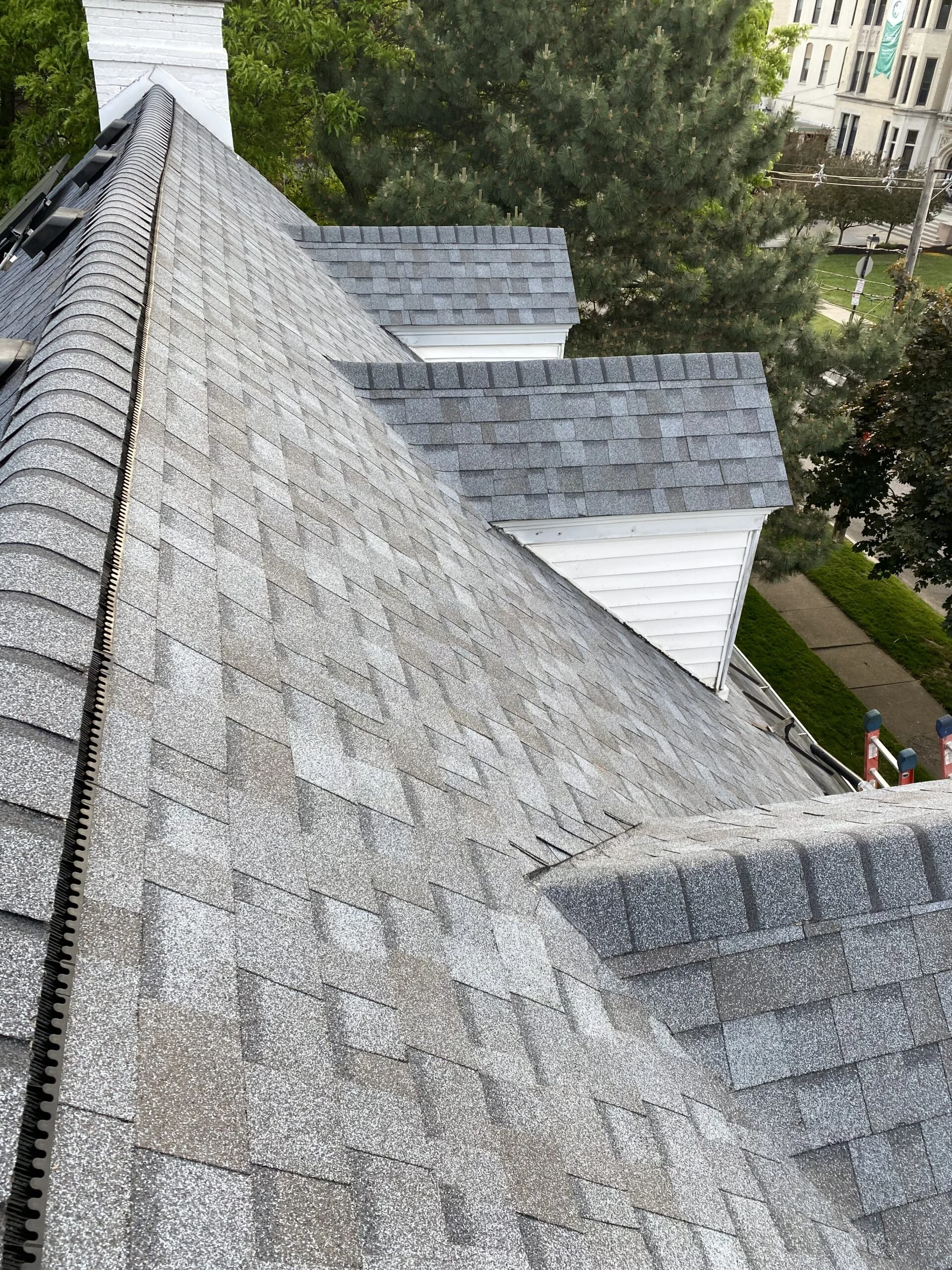
Flashing is one of the most critical—and most commonly botched—components of a roofing system. Every point where the roof meets a wall, chimney, dormer, skylight, or vent pipe requires properly installed flashing to direct water away from vulnerable joints. We use step flashing at wall transitions, counter flashing at chimney intersections, and properly sealed boots at every pipe penetration. Flashing errors are responsible for a disproportionate share of roof leaks, and they’re almost always the result of rushing or cutting corners. We don’t do either.
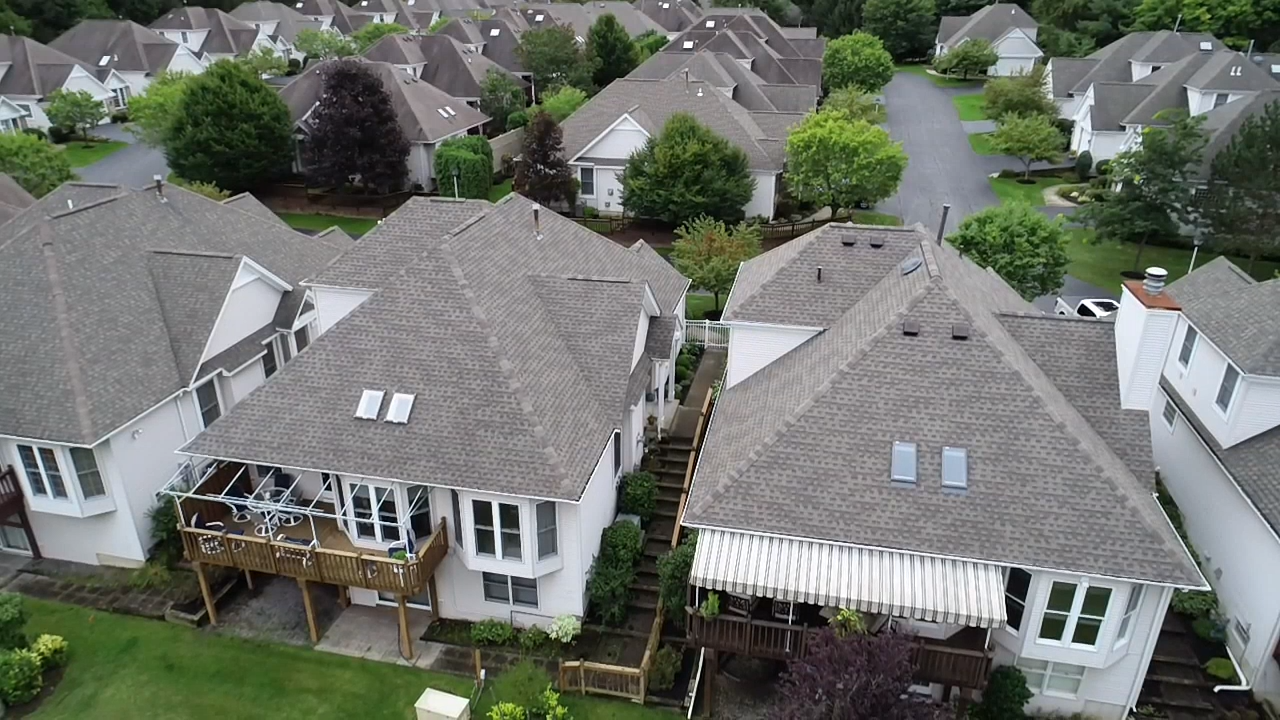
Proper attic ventilation is essential to the long-term performance of any roofing system. Without adequate ventilation, heat and moisture build up in the attic space—degrading the shingles from underneath, warping the decking, and creating conditions for mold and rot. In the Upstate’s hot, humid summers, poor ventilation can also drive up your cooling costs significantly as your air conditioning works overtime to compensate for the heat radiating down from the attic. We ensure every installation has balanced intake and exhaust ventilation that meets or exceeds both code requirements and manufacturer recommendations. This isn’t an optional add-on—it’s a core part of a functioning roof system, and we treat it that way.
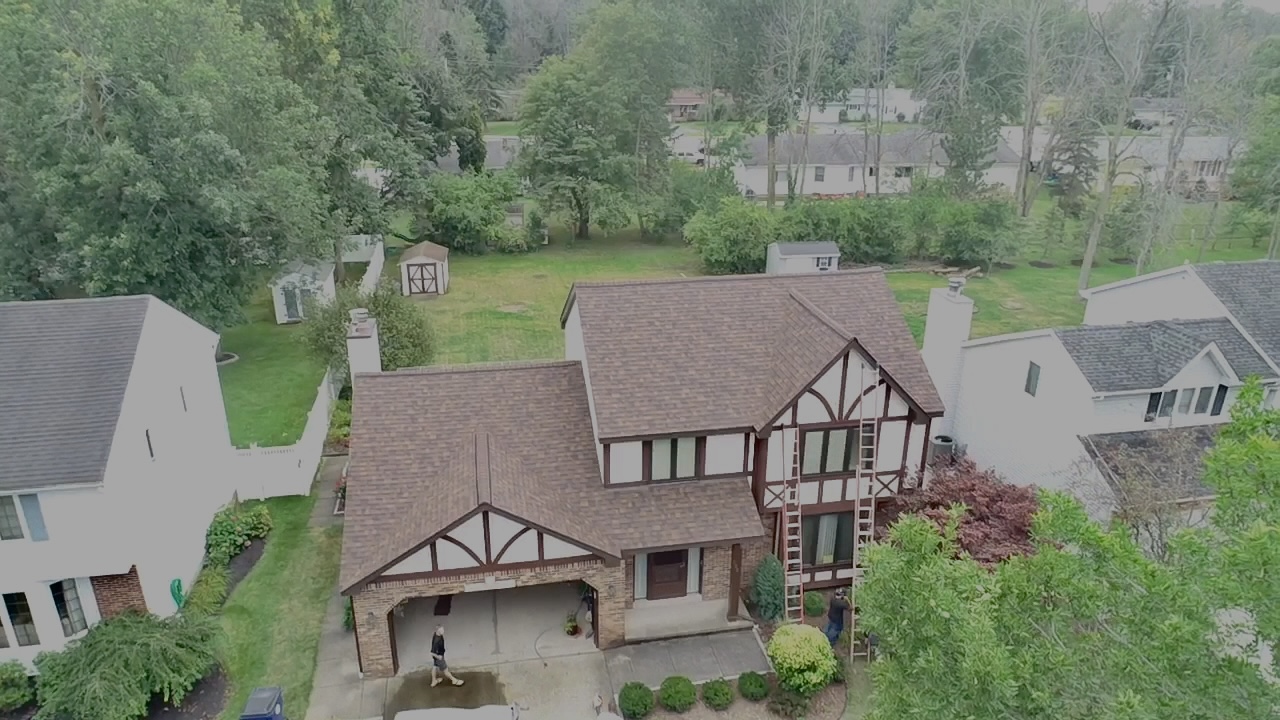
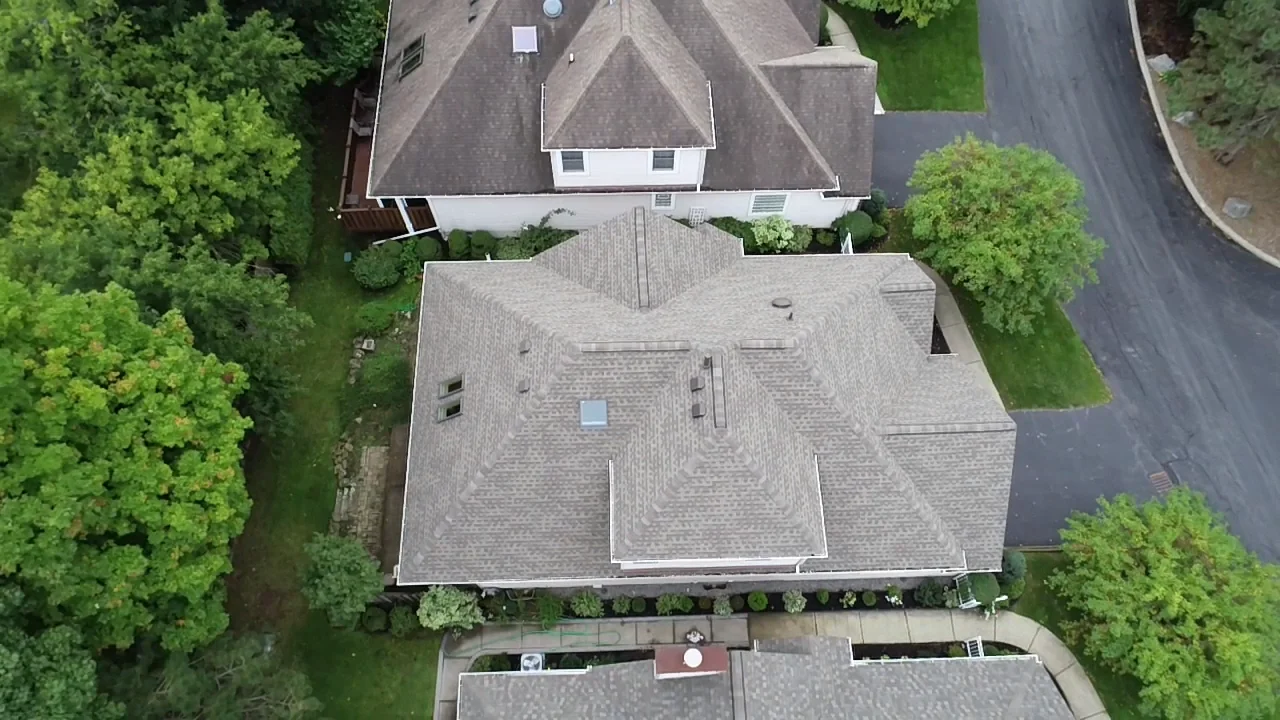
Whether you choose asphalt shingles or metal roofing, we install every component to the manufacturer’s specifications. That means correct nailing patterns, proper overlap, consistent exposure, and alignment that both looks right and performs right. Following manufacturer specifications isn’t just best practice—it’s what your warranty is built on, and it’s what ensures your roof performs as designed through years of South Carolina weather.
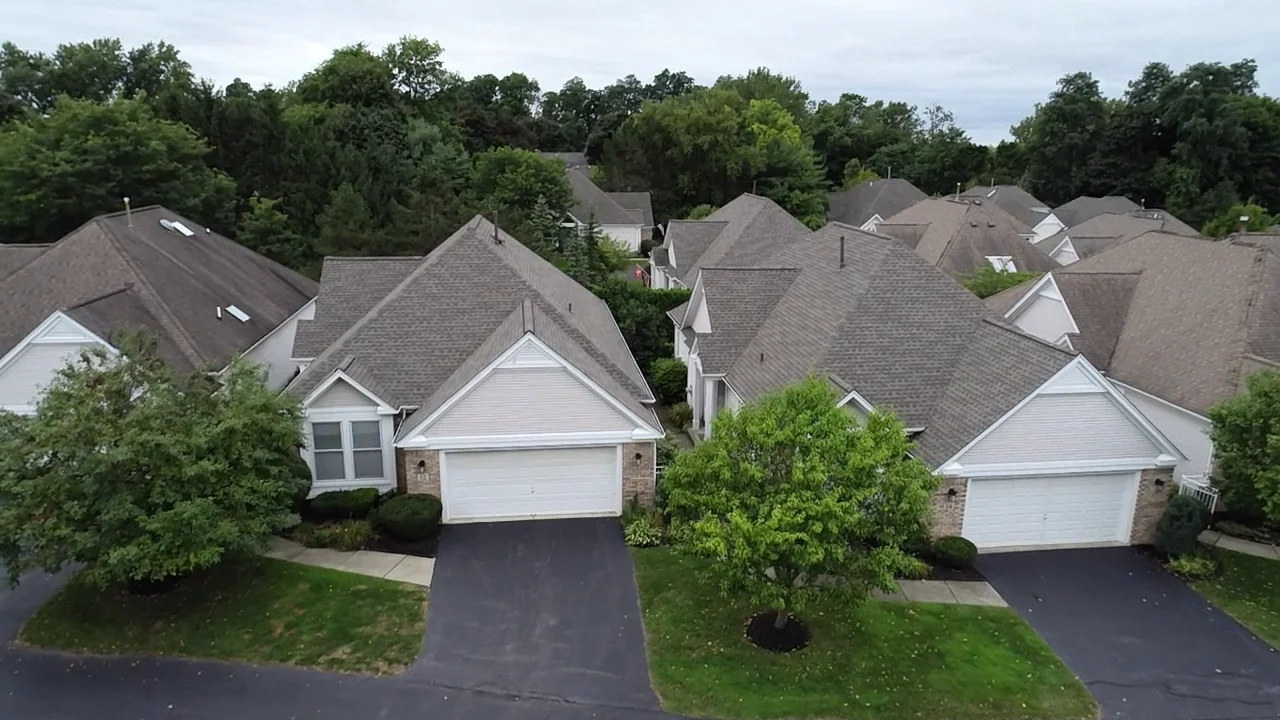
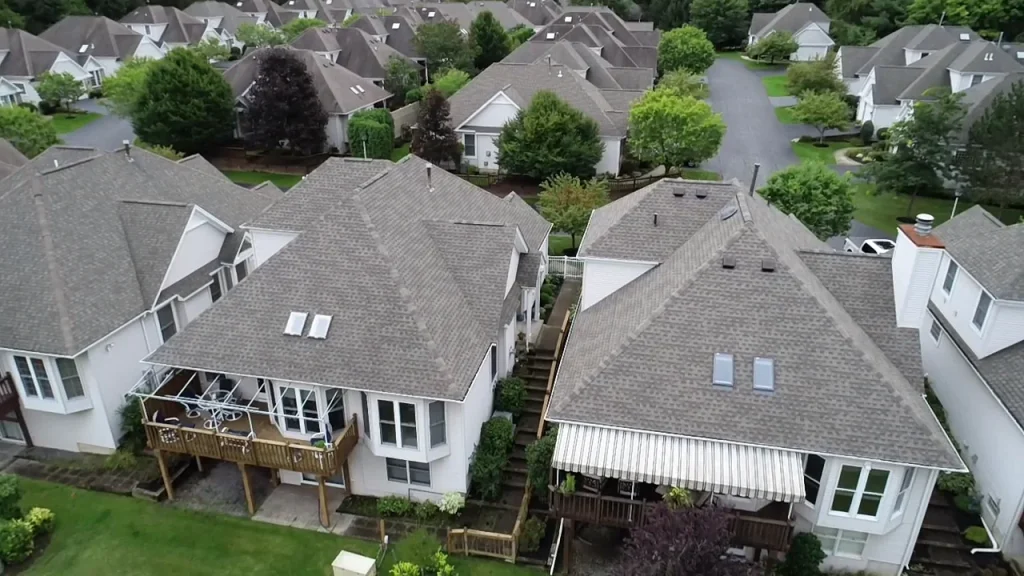
Materials We Install
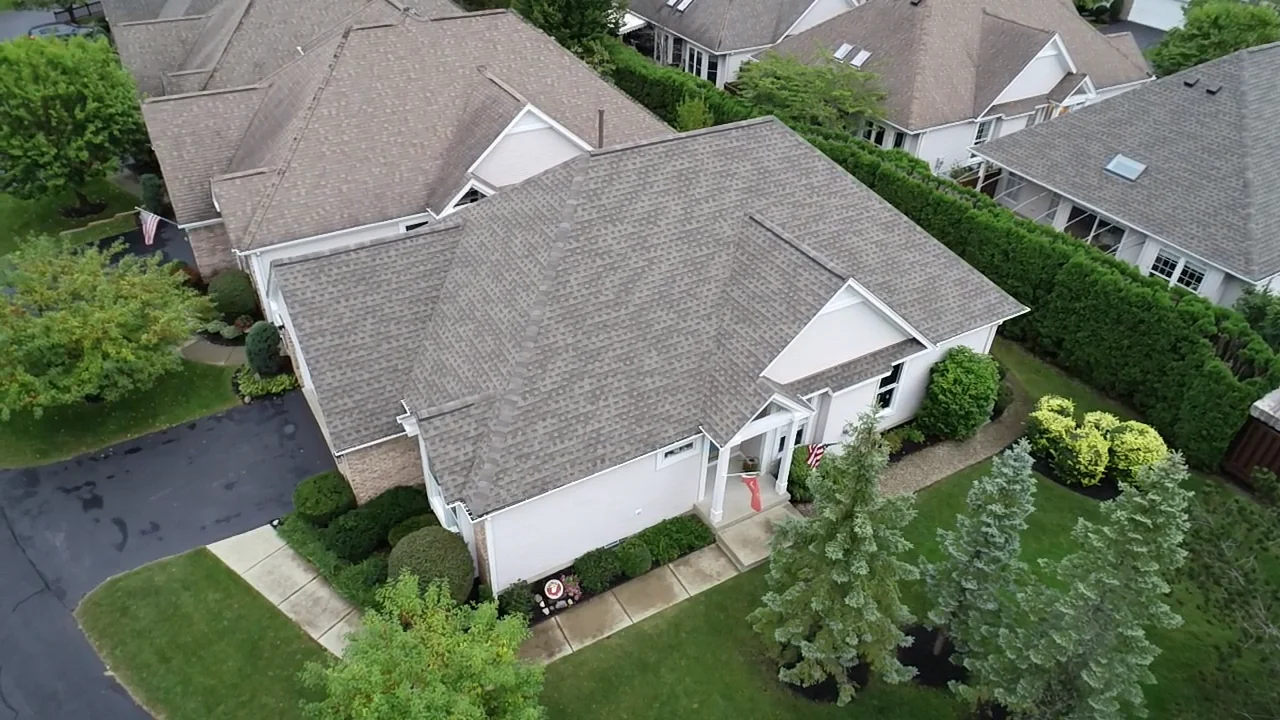
Owens Corning Duration Shingles — A high-performance architectural shingle built around SureNail Technology, a patented nailing zone that provides exceptional wind resistance up to 130 mph. Available in a wide range of colors and styles, Duration shingles are one of the most popular choices for new residential construction in the Southeast. They carry a limited lifetime warranty and deliver the dimensional, layered look that gives your home real curb appeal while providing serious protection underneath.
Atlas Pinnacle Pristine Shingles — Featuring Scotchgard Protector from 3M, Pinnacle Pristine shingles resist the dark streaks caused by blue-green algae—one of the most common cosmetic problems on roofs in South Carolina’s humid climate. Beyond the algae resistance, they deliver strong wind performance, clean aesthetics, excellent durability, and a lifetime limited warranty.
Metal Roofing — For homeowners who want a roof that can last 40 to 70 years, metal is the premium choice. Metal roofing reflects solar heat rather than absorbing it, resists fire and high wind, and requires minimal maintenance over its lifespan. It’s a higher upfront investment that pays for itself in longevity, energy savings, and decades of worry-free performance.
Working with Builders and Homeowners
We work directly with both homeowners managing their own projects and builders running larger construction timelines. Either way, our approach is the same: we coordinate with your schedule, communicate clearly about progress and any issues that arise, and make sure the roofing phase doesn’t hold up the rest of the project. We show up when we say we will, work efficiently without cutting corners, and leave the site clean and ready for the next trade.
If there are discoveries during the installation that affect scope or cost—like decking damage that wasn’t visible before tear-off—we communicate them immediately and get your approval before proceeding. No surprises. No after-the-fact invoices for work you didn’t agree to.
Frequently Asked Questions
What’s the difference between roof installation and roof replacement?
A roof installation refers to putting a new roof on new construction or an addition—where there’s no existing roof to remove. A replacement involves tearing off the old roof before installing the new system. The installation process and materials are similar, but replacement includes the additional step of removing and disposing of the old roofing.
How long does a new roof installation take?
For most residential projects, a new roof installation takes one to three days depending on the size, pitch, and complexity of the roof. We coordinate with your construction timeline and communicate clearly about scheduling so the roofing phase doesn’t hold up other trades.
Do you work with builders or just homeowners?
Both. We work directly with homeowners who are managing their own projects and with builders running larger construction timelines. Either way, we show up when scheduled, communicate proactively, and leave the site clean and ready for the next phase of work.
What materials do you recommend for new construction?
For most new residential construction in the Upstate, Owens Corning Duration or Atlas Pinnacle Pristine architectural shingles are excellent choices—offering strong wind resistance, algae protection, and long-term durability. For homeowners who want maximum lifespan, we also install metal roofing systems.
How important is attic ventilation for a new roof?
It’s essential. Without proper ventilation, heat and moisture build up in the attic space, which shortens the life of the shingles, can void manufacturer warranties, and creates conditions for mold and wood rot. Every roof we install includes balanced intake and exhaust ventilation.
Will a new roof installation meet current building codes?
Yes. Every roof we install meets or exceeds current South Carolina building codes and manufacturer specifications. This ensures your home is properly protected and that all warranties remain valid.
Planning a New Roof? Let’s Talk
Give us a call or schedule a free inspection online. No pressure, no obligation—just honest answers from a local team that does the job right.
- Call (864) 572-8494
- Schedule a Free Inspection
- Email: [email protected]